
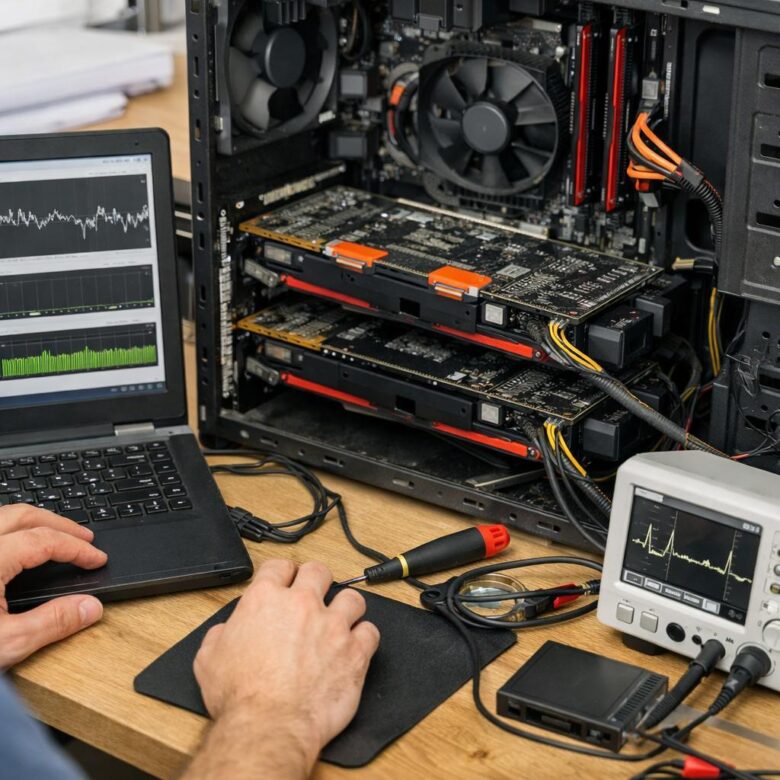
Micro-stutter in Cross-Fire or SLI often stems from uneven frame pacing. Update drivers, cap FPS, test V-Sync/G-Sync, and disable weak secondary GPUs.
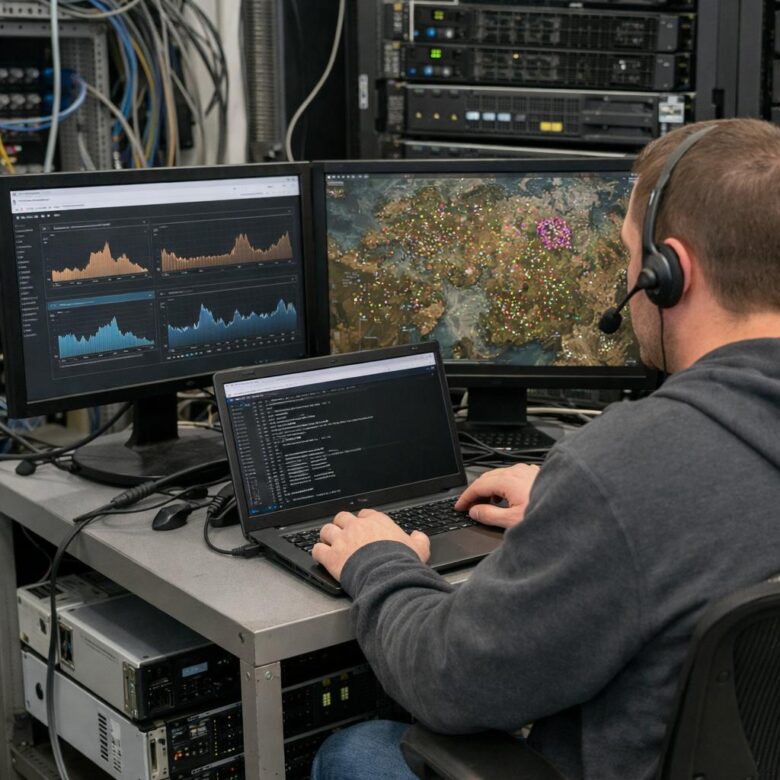
Scale for MMO spikes by pre-warming read replicas, partitioning hot player-state tables, and queuing write bursts so autoscaling adds capacity without corrupting session data.

Enterprise CDN choice hinges on patch throughput, global PoP reach, DDoS shielding, real-time analytics, and predictable costs-critical for launches, live ops, and player retention.
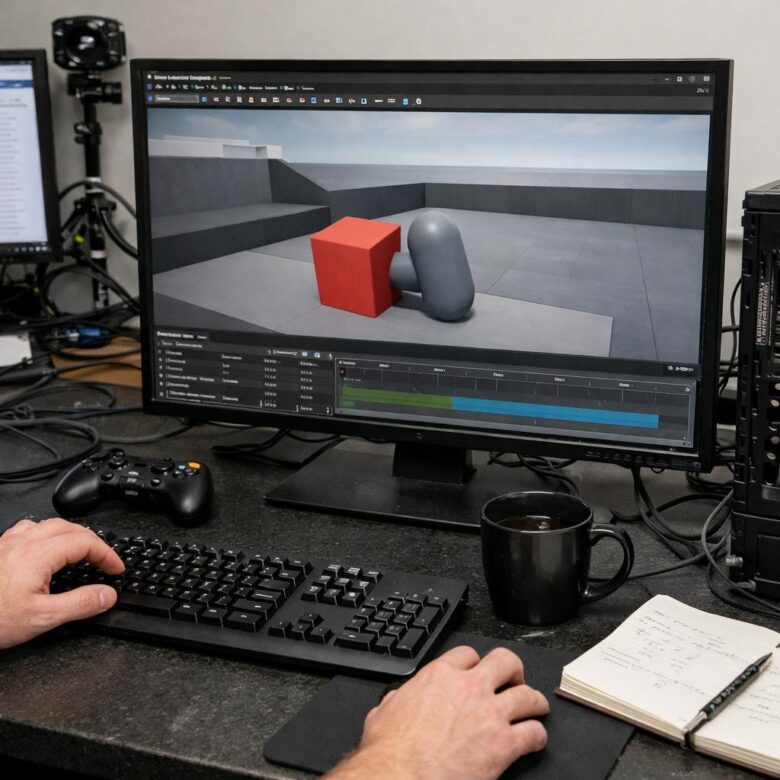
UE5 ports can expose collision drift: verify Chaos settings, scaled primitives, and channel presets before tuning substeps or CCD to restore stable, deterministic contacts.
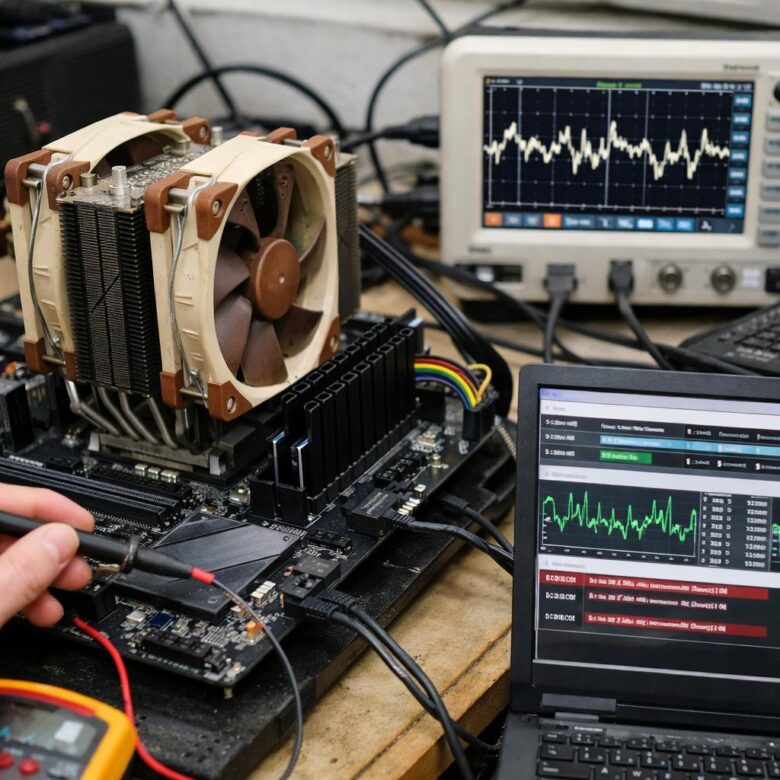
Undervolting instability often appears as WHEA errors, core-specific crashes, or load transients. Validate per-core voltage margins with stress tests, telemetry, and event logs.
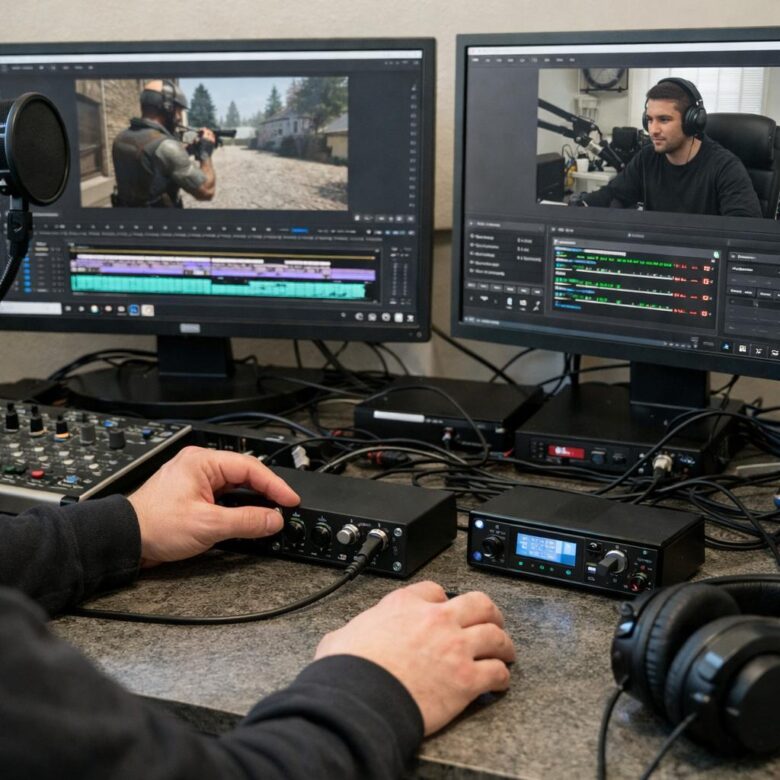
Audio desync in dual-PC streaming often stems from mismatched sample rates, capture card latency, or buffering. Check 48 kHz settings, monitor delay offsets, and OBS sync values.
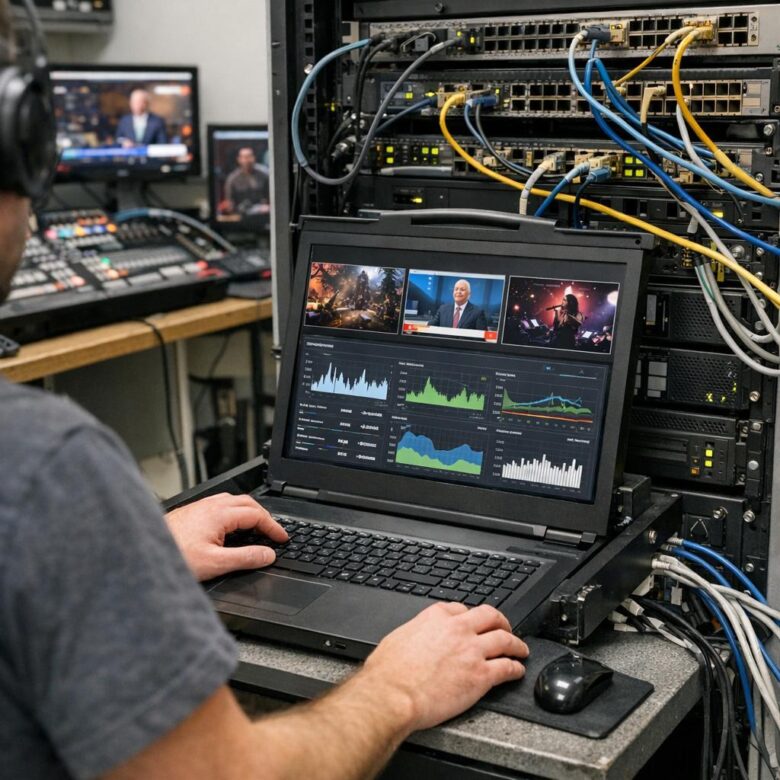
Optimize bandwidth with adaptive bitrate ladders, regional edge routing, and real-time QoS monitoring to stabilize simultaneous broadcasts across web, mobile, and OTT.
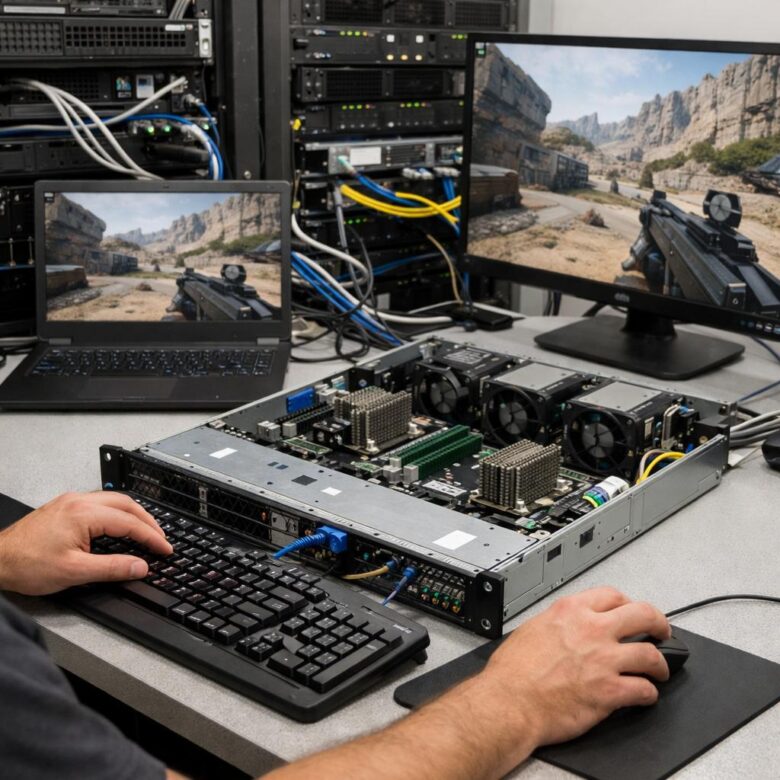
Configure dedicated servers with NVMe storage, GPU encoding, 25+ Mbps upload per stream, low-latency routes, and tuned OBS/WebRTC settings for stable, lag-free 4K game streaming.

GPU throttling in liquid-cooled rigs often stems from weak block contact, trapped air, or poor radiator airflow. Check coolant flow, remount the block, and tune fan-pump curves.
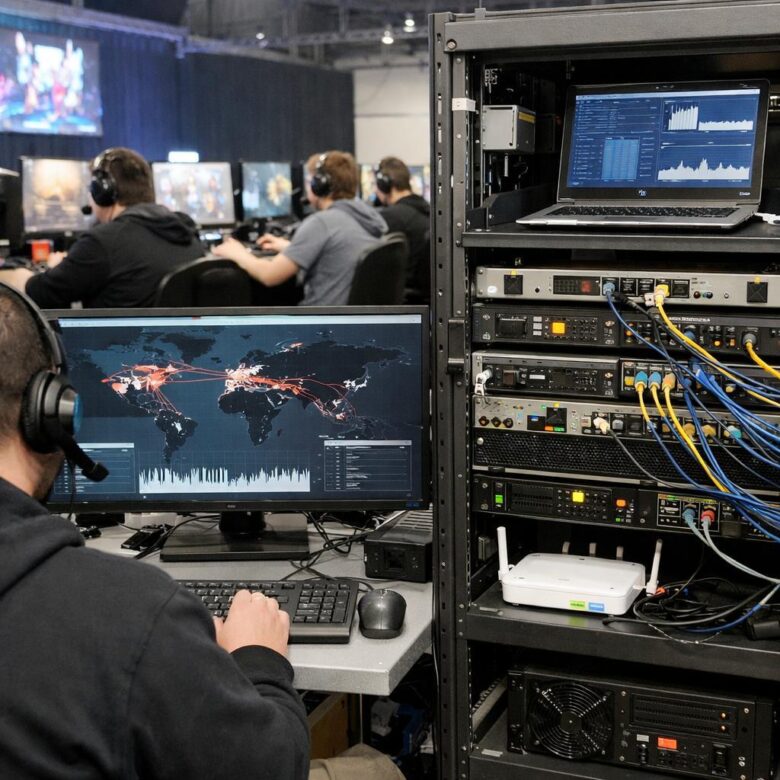
Targeted DDoS attacks can disrupt live e-sports matches, streams, and betting integrity. Resilient mitigation, traffic scrubbing, and rapid failover keep tournament networks competitive.