

Protect proprietary 3D assets with encrypted cloud repositories, role-based access, watermarking, and audit logs to secure every model revision.

Optimize mobile ports by replacing dense meshes with LODs, baking normals, merging static props, and profiling draw calls-preserving silhouette detail where players notice it most.

License clarity is vital: confirm AI tool terms permit commercial game use, document asset origins, and avoid trademarks, likeness rights, or protected styles.
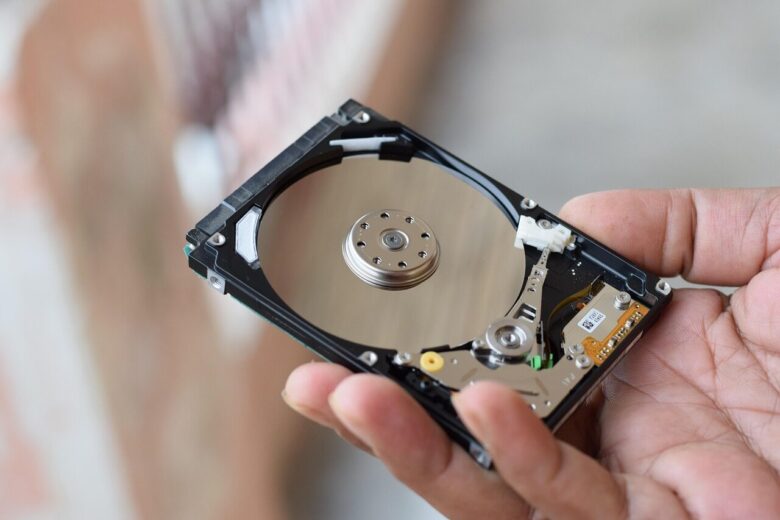
Recovering corrupted save data from a failed NVMe SSD requires stopping writes, cloning the drive sector-by-sector, then extracting game folders from the image.

Micro-stutter in Cross-Fire or SLI often stems from uneven frame pacing. Update drivers, cap FPS, test V-Sync/G-Sync, and disable weak secondary GPUs.

Scale for MMO spikes by pre-warming read replicas, partitioning hot player-state tables, and queuing write bursts so autoscaling adds capacity without corrupting session data.

Enterprise CDN choice hinges on patch throughput, global PoP reach, DDoS shielding, real-time analytics, and predictable costs-critical for launches, live ops, and player retention.

UE5 ports can expose collision drift: verify Chaos settings, scaled primitives, and channel presets before tuning substeps or CCD to restore stable, deterministic contacts.
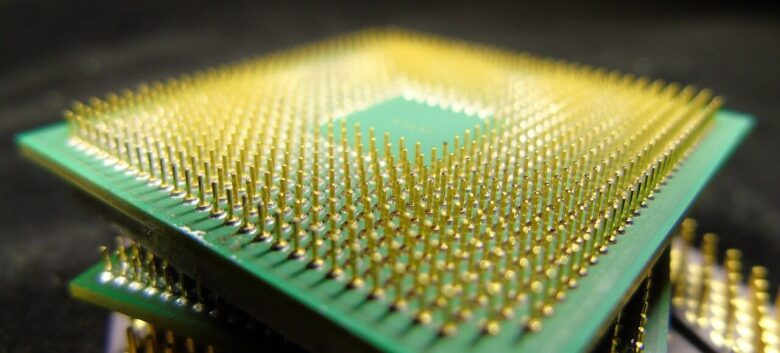
Undervolting instability often appears as WHEA errors, core-specific crashes, or load transients. Validate per-core voltage margins with stress tests, telemetry, and event logs.

Audio desync in dual-PC streaming often stems from mismatched sample rates, capture card latency, or buffering. Check 48 kHz settings, monitor delay offsets, and OBS sync values.